Buying Guides
How to Choose an Ultrasonic Smart Water Meter for AMR/AMI Projects
Choosing an ultrasonic smart water meter for an AMR/AMI rollout? This guide covers accuracy (ISO 4064 Class 2), LoRaWAN and other communication options, IP68 and whole-life costs.
Manual meter reading is slow, expensive and error-prone. Readers have to visit every property, readings get estimated when access fails, and billing disputes follow. That is why utilities and building operators are replacing mechanical meters with ultrasonic smart meters that report consumption automatically. If you are specifying meters for an AMR or AMI project, here is what to check, in the order experienced buyers check it.
Start with metering performance
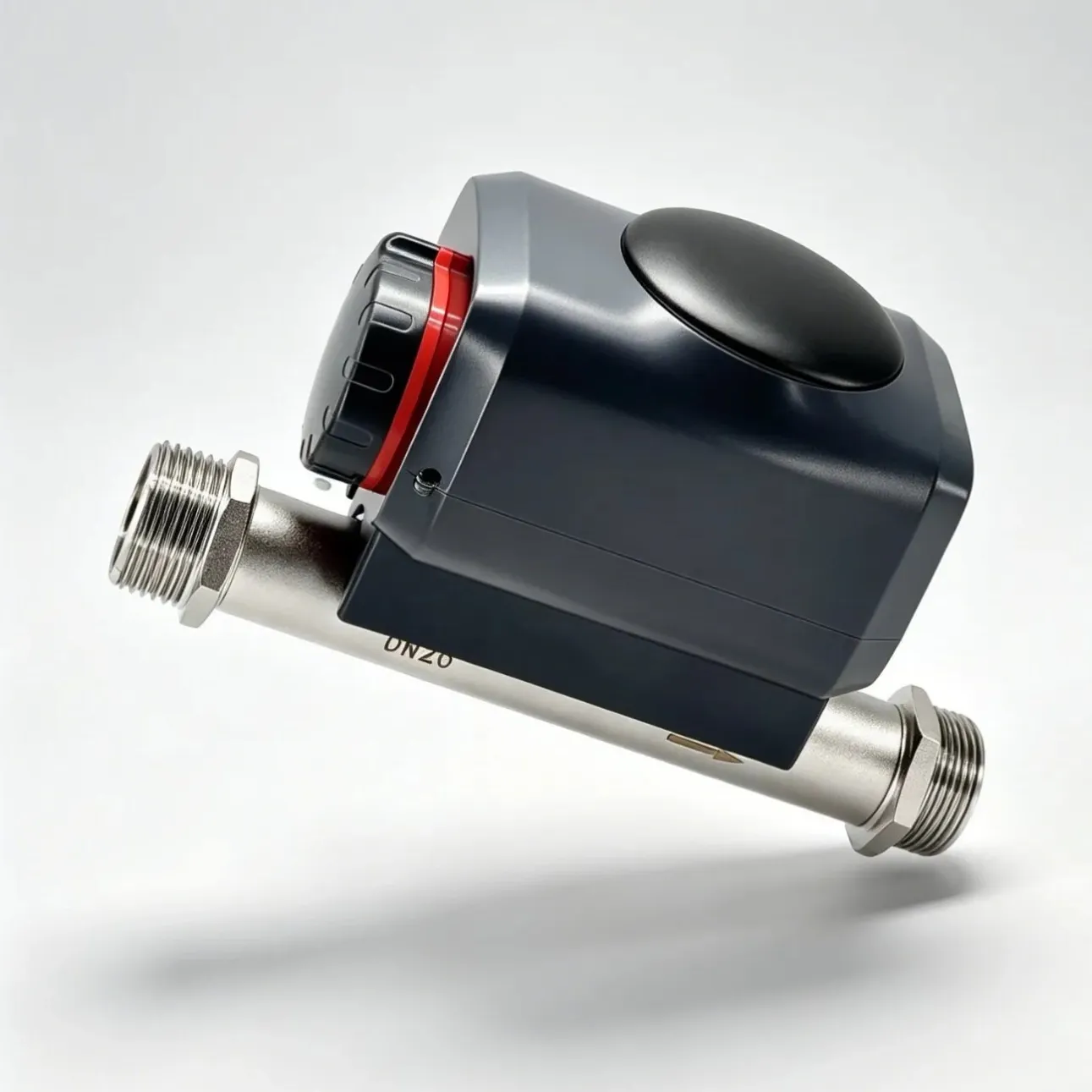
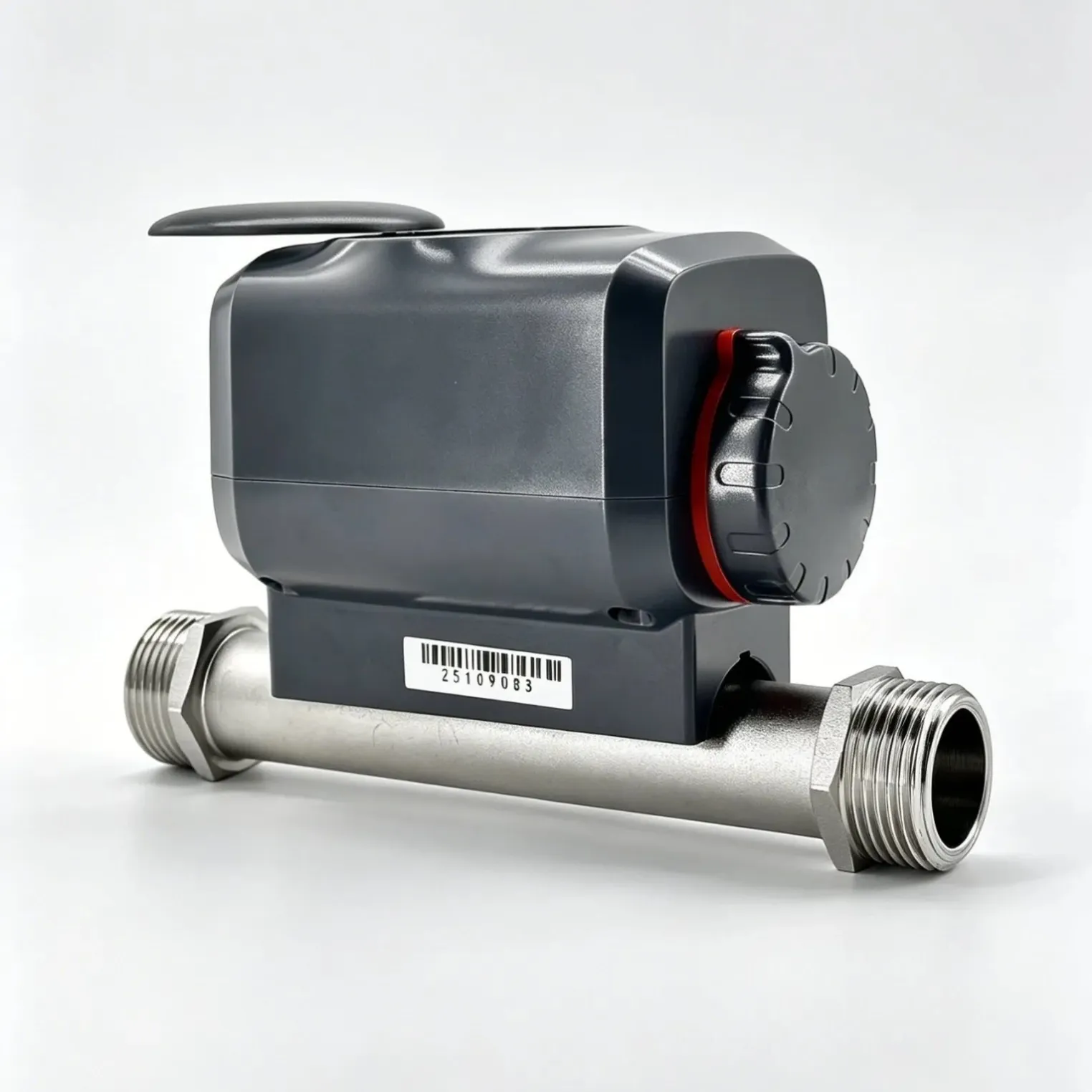
An ultrasonic meter has no moving parts. It measures flow by timing sound pulses through the water, so there is nothing to wear out, jam or drift the way a mechanical impeller does. Look for Accuracy Class 2 under ISO 4064, with OIML R49 and EN 14154 compliance — these are the standards tender documents usually name. Then match the size to the project: a range from DN15 to DN100, with permanent flow rates (Q3) from 2.5 to 40 m³/h, covers everything from individual apartments to small commercial buildings. An 8-digit LCD showing consumption in m³ makes on-site checks simple during installation and audits.
Choose the communication your network already speaks
The meter is only as useful as the data it delivers. For most new AMR/AMI rollouts, LoRaWAN is the default choice: long range, low power, and no SIM costs. But the right answer depends on what your head-end system already supports. A flexible meter should offer M-Bus, NB-IoT and RS485 as alternatives, so the same product line can serve a LoRaWAN greenfield project and a wired building retrofit. Confirm the options before you order, not after the first batch arrives.
Check it survives the installation environment
Meters live in pits, basements and outdoor boxes. IP68 protection means the meter keeps working even when the pit floods. Horizontal or vertical installation gives installers freedom when pipework is tight. Ask about the body and pipe materials too: an engineering plastic (PA/PC) enclosure with pipe options in stainless steel (SS304/SS316), brass or nylon lets you balance cost, corrosion resistance and local plumbing codes. An operating range of 0.1°C to 50°C and pressure up to 2.5 MPa covers typical municipal and building conditions.
Count the whole-life cost, not the unit price
Battery changes and re-reads are where cheap meters get expensive. A 3.6V lithium battery with a service life of up to 10 years, combined with data retention of more than 10 years, means a meter installed today can run a full replacement cycle without a site visit for power. Multiply the saved visits across thousands of endpoints and the business case usually settles itself.
A short buyer's checklist
Before you sign off, confirm: metering standard (ISO 4064 / OIML R49, Class 2); sizes DN15–DN100; communication (LoRaWAN, with M-Bus / NB-IoT / RS485 options); IP68 protection; battery life up to 10 years; horizontal and vertical installation; and the pipe material your project specifies.
Our Ultrasonic Smart Water Meter is built to this checklist and is available for sample evaluation and project quotations. See the full specifications on the product page, or contact us by email (zhujing520310@163.com) or WhatsApp (+86 186 0752 7007) to discuss your project.